
Abstract:
Background: South Africa faces a high and growing burden of mental illness, shaped by complex socioeconomic risk factors including poverty, unemployment, violence, substance use, and the ongoing impact of HIV/AIDS. These intersecting challenges contribute to neuropsychiatric morbidity, family disruption, and intergenerational mental health vulnerability. The burden is increasingly visible among youth and adolescents, who are at a critical developmental stage and are highly affected by social instability, limited opportunities, and barriers to timely psychosocial support. Recent evidence highlights a resurgence of mental health challenges among young people, reinforcing the need for early identification, community-based care, and strengthened primary healthcare responses. Despite this need, rural primary healthcare (PHC) services continue to experience shortages of specialist mental health human resources. Access to psychiatrists and specialised psychiatric care is often limited to infrequent outreach visits or referrals to distant tertiary facilities, placing substantial clinical responsibility on frontline mental health nurses.
Methods: A tele-mental health model was implemented in rural areas of the Western Cape to improve clinical support for mental health nurses working in PHC settings. Psychiatrists provided real-time supervision, case discussions, and continuous medical education (CME) through a telehealth platform. The model focused on strengthening competencies in mental health assessment, diagnosis, risk identification, treatment planning, and psychotropic medication prescribing. Particular emphasis was placed on improving nurses’ confidence to identify and manage mental health conditions affecting youth and adolescents, while ensuring timely escalation of complex or high-risk cases.
Results: Between September and November 2025, 167 professional nurses were capacitated through remote mentoring and specialist-supported learning. Nurses demonstrated improved ability to conduct independent assessments, formulate diagnoses, initiate appropriate management plans, and prescribe psychotropic medication within their scope of practice. The intervention supported local management of most cases under specialist guidance and contributed to a 90% reduction in referrals to tertiary hospitals. Only 10% of patients required escalation for complex presentations, new cases needing advanced review, or higher levels of care. This strengthened continuity of care closer to patients’ homes and reduced delays linked to long-distance referrals.
Conclusion: Tele-mental health significantly enhanced the clinical capacity of rural nurses, reduced unnecessary tertiary referrals, and improved access to specialist input in underserved PHC settings. The findings support integrating digital health solutions into routine mental healthcare, particularly for youth and adolescents affected by South Africa’s socioeconomic complexity. Structured frameworks are required to guide implementation, safeguard ethical practice, and support the responsible use of telehealth and artificial intelligence in strengthening equitable, community-based mental healthcare.
Biography:
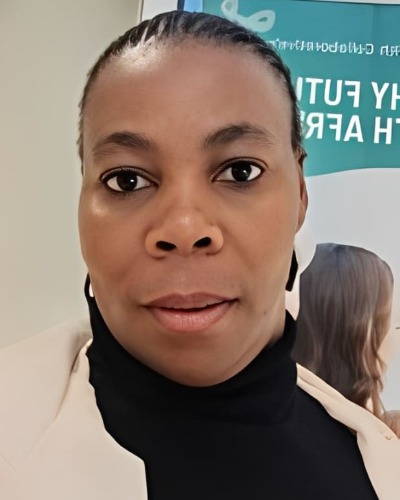
Mabjala Rosemary Letsoalo is a public health specialist with over 25 years of experience across the public and private healthcare sectors. She holds a Master of Public Health and a Postgraduate Diploma in HIV Management at the Workplace from Sefako Makgatho Health Sciences University. She has presented oral and poster presentations at local and international conferences, contributing to public health discourse and practice. Mabjala is currently a PhD candidate focusing on the development of specialized chronic care models for elderly populations living with HIV and non-communicable diseases in South Africa.
Copyright 2024 Mathews International LLC All Rights Reserved
