
Abstract:
Background: Stroke is a leading cause of mortality and long-term disability worldwide, with a rapidly increasing burden in sub-Saharan Africa. Hypertension and diabetes mellitus are the most important modifiable risk factors for stroke. Adequate patient knowledge regarding stroke risk factors, warning signs, and appropriate response is essential for prevention and early treatment; however, evidence on stroke knowledge among high-risk populations in southeastern Ethiopia remains limited.
Objective: To assess knowledge towards stroke and its determinant factors among patients with hypertension and/or diabetes attending the chronic follow-up clinic at Asella Referral and Teaching Hospital (ARTH).
Methods: A hospital-based cross-sectional study was conducted from May 2025 to January 2026 at ARTH. A total of 407 adult patients with hypertension and/or diabetes mellitus were included using convenience sampling. Data were collected through a structured interviewer-administered questionnaire and analyzed using SPSS version 27. Bivariate and multivariable logistic regression analyses were performed to identify factors associated with stroke knowledge. A p-value of <0.05 was considered statistically significant.
Results: Among the study participants, 76.9% (95% CI: 73.0–81.3) had good overall knowledge of stroke, while 23.1% had poor knowledge. Good knowledge of stroke risk factors was observed in 88.9% (95% CI: 85.7–91.9) of participants, and 88.5% demonstrated good knowledge of stroke signs and symptoms. Regarding planned response to stroke, 62.4% reported that they would seek medical care immediately. Factors significantly associated with good stroke knowledge included urban residence (AOR = 2.25; 95% CI: 1.19–4.25), higher educational status, higher monthly income, and good knowledge of stroke risk factors (AOR = 5.85; 95% CI: 2.81–12.17).
Conclusion: While most patients with hypertension and/or diabetes exhibited good knowledge of stroke, significant gaps exist among rural residents and those with lower educational attainment. Enhancing targeted health education during follow-up visits is crucial for improving stroke prevention and timely healthcare seeking.
Keywords: Stroke; Hypertension; Diabetes Mellitus; Knowledge; Ethiopia
Biography:
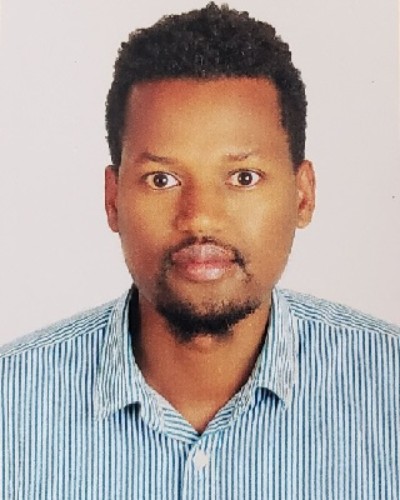
Dr. Denebo Jebeso is a third-year Internal Medicine resident and Chief Resident at Arsi University, Ethiopia. He is expected to graduate as an internist within the next two months. His clinical and research interests focus on stroke, hypertension, diabetes, and the prevention and management of non-communicable diseases in low-resource settings.
Copyright 2024 Mathews International LLC All Rights Reserved
