
Abstract:
Background: Post-COVID-19 sequelae may affect physical, cognitive, psychological, and social functioning, negatively impacting individuals’ quality of life. These effects may manifest differently in the general population and among healthcare professionals, a group particularly exposed to healthcare demands and occupational risks during the pandemic. This study aimed to analyse the correlation between self-reported post-COVID-19 sequelae and quality-of-life domains assessed by the WHOQOL-BREF among individuals from the general population and healthcare professionals.
Methods: A multicentre cross-sectional study was conducted across the five geographic regions of Brazil, including 390 participants from the general population and healthcare professionals with a confirmed diagnosis of COVID-19 at least one year before data collection. A non-probabilistic convenience sampling method was used. Data were collected online between May and July 2025 using the COVID-19 and Other Respiratory Syndromes Patient Monitoring Software, developed and validated in Brazil. Participants rated the severity of sequelae related to memory, attention, general health, mental health, and sleep quality using a five-point Likert scale. These variables were correlated with the physical, psychological, social relationships, and environmental domains of the WHOQOL-BREF. Data were analysed using the Statistical Package for the Social Sciences (SPSS), applying Spearman’s correlation test. The study was approved by a Research Ethics Committee and funded by CNPq/DECIT/MCTIC (Grant No. 445654/2023-6).
Results: Of the 390 participants, 259 (66.4%) belonged to the general population and 131 (33.6%) were healthcare professionals. In both groups, significant negative correlations were observed between most of the assessed sequelae and quality-of-life domains (p<0.05), indicating that greater impairment was associated with lower quality-of-life scores. Overall, healthcare professionals exhibited correlations of greater magnitude. In this group, sleep quality showed moderate to strong correlations with the physical (rho = -0.661), psychological (rho = -0.545), and environmental (rho = -0.554) domains (all p<0.001). In the social relationship’s domain, attention impairment presented a slightly stronger negative correlation among individuals from the general population (rho = -0.246) compared with healthcare professionals (rho = -0.197). For the remaining domains, higher correlation coefficients were predominantly observed among healthcare professionals.
Conclusions: Post-COVID-19 sequelae were significantly and negatively correlated with quality-of-life domains in both the general population and healthcare professionals. However, healthcare professionals demonstrated greater levels of impairment, particularly regarding sleep quality, mental health, and perceived general health. These findings highlight the need for longitudinal follow-up strategies and multidimensional interventions aimed at functional recovery and the promotion of quality of life among individuals experiencing post-COVID-19 conditions.
Biography:
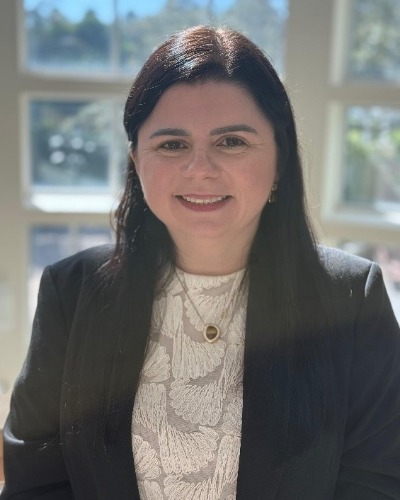
Prof. Dr. Lívia Maia Pascoal is a faculty member at the Federal University of Maranhão (UFMA), Brazil, and a researcher in the Graduate Program in Nursing. She holds a PhD in Nursing with a focus on Health Promotion and completed a postdoctoral fellowship at the Christine E. Lynn College of Nursing, Florida Atlantic University, USA. Her research focuses on public health, social determinants of health, infectious and chronic disease prevention and management, digital health, and primary healthcare. Dr. Pascoal leads and collaborates on nationally funded research projects, including a study supported by CNPq/DECIT/MCTIC (Grant No. 445654/2023-6).
Copyright 2024 Mathews International LLC All Rights Reserved
