
Abstract:
Background: Concentration difficulties are among the most frequent and persistent cognitive manifestations of post-COVID-19 conditions and may impair work performance, academic performance, and activities of daily living. These changes may be influenced by biological, behavioural, socioeconomic, and clinical factors, understood within the framework of the Social Determinants of Health (SDH). This study aimed to analyse the prevalence of concentration difficulties and their association with SDH in individuals with post-COVID-19 conditions.
Methods: This was a multicentre cross-sectional study conducted with 419 participants living in the five geographic regions of Brazil who had been diagnosed with COVID-19 at least one year previously. Data were collected online using COVID-19 patient monitoring software, which included sociodemographic information, social determinants of health, clinical conditions, lifestyle factors, and COVID-19-related cognitive impacts. Variable organization and analysis were based on Dahlgren and Whitehead’s model of the Social Determinants of Health, including individual factors, behavioural factors, living and working conditions, and broader socioeconomic macro-determinants. Analyses were performed using the Statistical Package for the Social Sciences (SPSS), with descriptive statistics and Chi-square and Likelihood Ratio tests, adopting a 5% significance level. The study was approved by a Research Ethics Committee and funded by CNPq/DECIT/MCTIC (Grant No. 445654/2023-6).
Results: Among the participants, 79.5% (n=333) reported persistent concentration difficulties after COVID-19 infection. Young adults aged 18 to 39 years (64.9%), women (74.6%), and residents of the Northeast region of Brazil (38.4%) predominated. Within the layer of individual determinants, a significant association was observed with sex (p<0.001), with a higher prevalence among women (85.3%) than men (62.3%). Among behavioural determinants, physical inactivity was significantly associated with concentration difficulties (p=0.019), with a greater impact among sedentary individuals (88.3%) compared with those who practiced physical activity three or more days per week (75.0%). Sleep difficulties also showed a strong association (p<0.0001): 85.6% of participants who reported sleep problems had concentration difficulties, compared with 66.4% of those without sleep problems. Among clinical conditions, respiratory allergies (86.0%; p=0.001), dermatological diseases (93.3%; p<0.0001), and muscle weakness (88.7%; p=0.001) were associated with concentration difficulties. Among macro-determinants, family income showed a significant association (p=0.017), with a higher prevalence of concentration difficulties among individuals with an income of up to three minimum wages (86.6%) compared with those with higher income (76.3%).
Conclusions: Concentration difficulties were a frequent manifestation of post-COVID-19 conditions, affecting approximately four in five participants one year after infection. Factors distributed across different layers of the social determinants of health, including sex, physical activity, sleep quality, clinical conditions, and family income, were significantly associated with the outcome. These findings reinforce the importance of incorporating SDH into the planning of care strategies, cognitive rehabilitation, and longitudinal follow-up for individuals with post-COVID-19 conditions.
Biography:
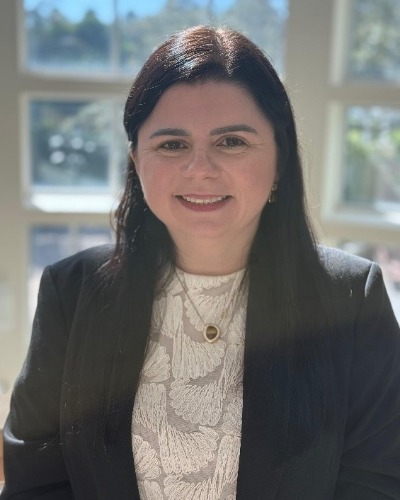
Prof. Dr. Lívia Maia Pascoal is a faculty member at the Federal University of Maranhão (UFMA), Brazil, and a researcher in the Graduate Program in Nursing. She holds a PhD in Nursing with a focus on Health Promotion and completed a postdoctoral fellowship at the Christine E. Lynn College of Nursing, Florida Atlantic University, USA. Her research focuses on public health, social determinants of health, infectious and chronic disease prevention and management, digital health, and primary healthcare. Dr. Pascoal leads and collaborates on nationally funded research projects, including a study supported by CNPq/DECIT/MCTIC (Grant No. 445654/2023-6).
Copyright 2024 Mathews International LLC All Rights Reserved
